


My blog
Why I Chose Delayed Cord Clamping | Navigating the Fourth Trimester | Skin-to-Skin
Optimal Foetal Positioning (OFP) | Peanut Balls for Labour | The Simple Cabbage Leaf
Understanding Baby Cues
11 October 2025One of the most rewarding parts of my role as a midwife is helping new parents learn to understand their baby’s cues. Babies may not speak, but they’re constantly communicating—through movements, sounds, and expressions. Tuning into these signals can make a world of difference in building confidence and connection.
I often tell parents that babies are brilliant little communicators. A turned head or rooting motion usually means hunger. Fussing might signal overstimulation or tiredness. And those quiet, alert moments? That’s your baby saying, “I’m ready to engage.”
One mum I worked with was feeling overwhelmed, unsure why her baby cried after feeds. We sat together and watched. Her baby would arch their back and grimace just before the crying started. It turned out to be wind discomfort. Once she learned to spot that cue and burp earlier, things settled beautifully.
Responding to cues isn’t about getting it perfect—it’s about building trust. When a baby sees that their signals are noticed and responded to, they feel safe. And when parents feel they can “read” their baby, their confidence grows.
The Golden Hour: A Sacred Start to Life
16 September 2025The Golden Hour after birth refers to the first 60 minutes—sometimes extended to two hours—immediately following delivery, where uninterrupted skin-to-skin contact between parent and newborn is prioritized. This intimate window is more than symbolic; it’s a scientifically supported practice that fosters bonding, stabilizes the baby’s vital signs, and lays the foundation for successful breastfeeding.
During this time, the newborn is placed directly on the birthing parent’s chest, allowing warmth, scent, and heartbeat to soothe the baby’s transition from womb to world. This contact triggers the release of oxytocin—often called the “love hormone”—which promotes emotional bonding and helps initiate milk production.
Babies instinctively go through nine behavioral stages during the Golden Hour, including crying, relaxing, awakening, and eventually suckling. Most can find the breast and latch naturally with minimal assistance. For the birthing parent, this period can reduce postpartum bleeding, lower stress and anxiety, and improve long-term mental health.
Hospitals increasingly recognize the importance of this time, delaying non-urgent procedures like weighing and injections to preserve the moment. Even after cesarean births, skin-to-skin contact is encouraged as soon as medically safe.
Why I Chose Delayed Cord Clamping
22 August 2025When I was pregnant, I spent hours researching birth plans, trying to make sense of all the choices. One thing that stood out—something I hadn’t heard much about—was delayed cord clamping. It sounded simple: wait a minute or two before clamping and cutting the umbilical cord. But the benefits? Huge.
I remember the moment my baby was born. The room was quiet, warm, and full of emotion. As they placed my little one on my chest, the midwife gently said, “We’ll wait before clamping.” And in that pause, something powerful was happening.
Delayed cord clamping allows more blood to transfer from the placenta to the baby—extra iron, stem cells, and oxygen-rich blood. It’s like nature’s final gift before the cord is cut. For us, it meant a stronger start, better iron levels, and a smoother transition into the world.
I didn’t feel rushed. There was no urgency. Just time to breathe, to hold, to connect. That moment of stillness felt sacred.
Of course, every birth is different. Sometimes immediate clamping is necessary. But if there’s space to wait—even just 60 seconds—it can make a real difference. I’m grateful our care team supported it and that I’d read enough to ask for it.
Now, when friends ask about birth plans, I always mention it. It’s a small choice with big impact. And for me, it was one of the first decisions I made as a parent that felt truly right.
Navigating the Fourth Trimester
15 August 2025The fourth trimester—the first month after a baby is born—is often overlooked, yet it’s one of the most transformative periods in a parent’s life. For many new mothers, it’s a time filled with love, exhaustion, and a steep learning curve.
One mother described it as a rollercoaster of emotions. Her days were a mix of triumphs and tears—celebrating small wins like managing a shower or getting dressed before noon, while also navigating moments of doubt and overwhelm. She found herself sitting on the edge of her bed, baby in arms, wondering if she was doing anything right. And yet, every cuddle, every sleepy smile reminded her she was.
The fourth trimester is not just about the baby adjusting to life outside the womb—it’s about the mother healing, adapting, and bonding. Hormones fluctuate, sleep becomes a luxury, and the pressure to “bounce back” can feel relentless. But in truth, this phase is about slowing down, tuning in, and embracing imperfection.
What helped this mother most was leaning into the little things: skin-to-skin contact (see my previous blog), accepting help, and trusting her instincts over endless online advice. She learned that showing up each day, even in the smallest ways, was enough.
For anyone supporting new parents, understanding the fourth trimester is key. It’s a time to offer kindness, patience, and practical help. And for mothers in the thick of it, it’s a reminder that they’re not alone—and that cold tea and mismatched socks are part of the journey.
The fourth trimester may be tough, but it’s also tender, raw, and full of growth. And every day, mothers are quietly doing the most extraordinary work of all—nurturing new life while rediscovering their own strength.
Skin-to-Skin
8 August 2025Let’s talk about one of the simplest, most powerful things you can do for your newborn: skin-to-skin contact. That first snuggle—baby on your bare chest, warm and close—isn’t just adorable. It’s a game-changer. Right after birth, skin-to-skin helps your baby feel safe and calm. Your heartbeat, your warmth, your smell—it’s all familiar and comforting. It helps regulate their breathing, keeps their temperature steady, and even gets breastfeeding off to a smoother start. Less crying, better sleep, and a calmer baby? Yes, please.
And it’s not just good for your little one. For mums, it boosts oxytocin (aka the love hormone), which helps with bonding, milk production, and even lowers stress. It’s like nature’s way of saying, “You’ve got this.” The best part? You don’t need fancy equipment or a special setting. Whether you’re in a hospital, at home, or somewhere in between, just holding your baby close—skin to skin—can make a huge difference. And dads or partners can get in on the action too. It’s a beautiful way to connect and support your baby’s development.
In high-stress situations or crisis settings, this kind of contact can be especially grounding. It’s a reminder that even in chaos, there’s comfort in closeness.
So if you’re expecting, or supporting someone who is, keep skin-to-skin at the top of your list. It’s simple, natural, and incredibly powerful. Sometimes, the best things really are the easiest.
Optimal Foetal Positioning
1 August 2025Optimal Foetal Positioning (OFP) is all about helping your baby get into the best position for birth—head down, facing your back. It might sound technical, but it’s actually quite simple and can make a big difference when it comes to labour.
The idea is that how you sit, sleep, and move during the last few weeks of pregnancy can encourage your baby into a position that makes labour smoother and shorter. Think upright, forward-leaning, and open postures—like sitting on a birthing ball or spending time on hands and knees. Avoid slouching back on the sofa for hours, as that can encourage baby into a less ideal position.
Walking, gentle stretches, and mindful movement all help. It’s not about doing anything extreme—just being aware of how your body and baby are working together.
Optimal feotal Positioning is a simple, empowering way to prepare for birth naturally. A few small changes can lead to a more comfortable and efficient labour.
Peanut Balls for Labour
3 July 2025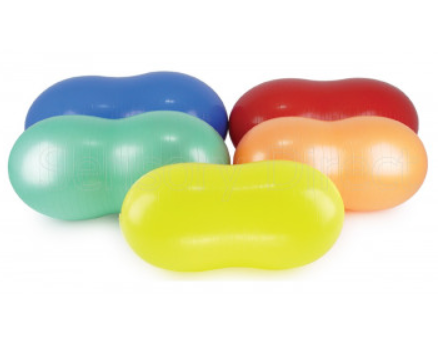
The peanut ball is a great tool for helping labour progress for women resting in bed or with an epidural. It can be used between the legs to facilitate the opening of the pelvic outlet.
There are 2 ways of using the peanut ball:
- Semi reclined position with one leg over the ball
- Side lying or semi prone with the peanut ball between the legs.
The mother's comfort level is key to knowing the right placement of the peanut ball.
Mums experiences are that it can promote dilatation and descent in Labour and also help the baby rotate from a posterior position into a more favourable position for delivery.
The peanut ball is a very simple tool and can be very effective in Labour.
- There are various sizes of peanut balls:
- 40cm - Recommended for women who are under 5'3"
- 50cm - Recommended for women who are 5'3" to 5'6" (Most common size)
- 60cm - Recommended for women who are5'7" or taller or obese women
Further research by Christina Tussey and Emily Botsios can be found at:
Decrease the Length of Labor with the Use of a Labor Ball with Patients That Receive An Epidural
The Simple Cabbage Leaf
12 June 2025
Have you ever heard of cabbage leaves being used to decrease inflammation?
Yes, it's true, cabbage leaves have for centuries been used to treat inflammation and are especially useful for engorged breasts. In breasts, this is particularly relevant on day three when the breasts start lactating. Swelling prevents the flow of milk and it is exactly in this area that cabbage leaves can help. Reducing this inflammation makes breasts much more comfortable, enhances the flow of milk and makes it easier for the baby to latch on.
If you're engorged, simply place the cabbage leaves inside your bra. They can be either chilled or at room temperature, but are better chilled. You can leave them on until they wilt and then should apply new ones. This can be repeated as often as needed for comfort.